Choosing the right sunglasses involves more than selecting a frame you love. The right pair should match your daily routine, protect your eyes from harmful ultraviolet (UV) rays and provide clear, comfortable vision in all lighting conditions. While regular sunglasses are great for a casual outing, sports sunglasses are built to handle movement, changing environments, and the rigours of outdoor activity.
Understanding these differences can make choosing eyewear a lot less of a challenge for cycling, running, trekking, driving or nature loving enthusiasts. If you are looking for performance-oriented eyewear with a practical design, then Scott sports sunglasses are one you should consider.
In this guide, we’ll cover the differences between sports sunglasses and regular sunglasses, what features are important when selecting a pair, and how to pick eyewear that fits your lifestyle.
1. What is Scott Sports sunglasses?
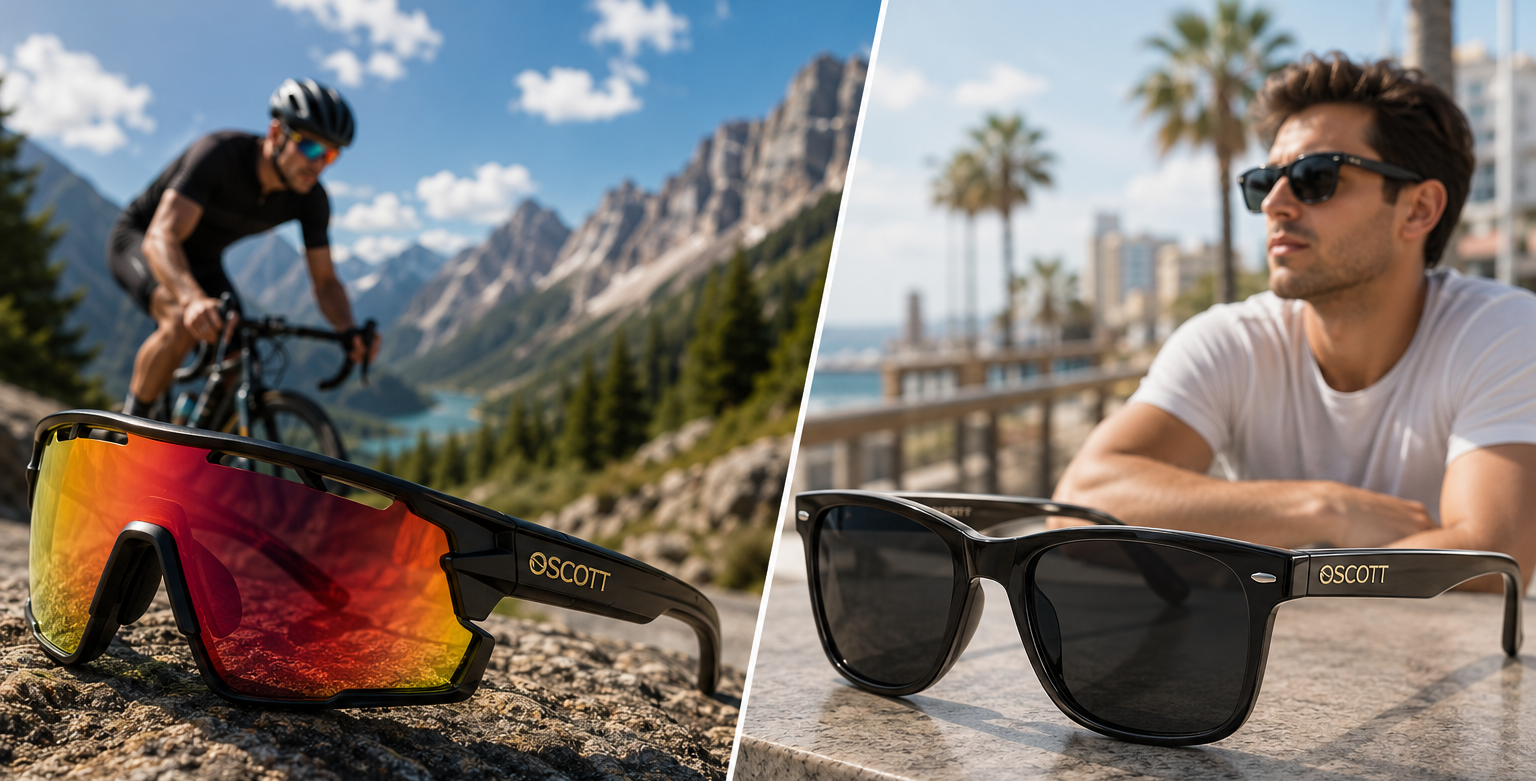
Sport sunglasses are designed to offer a safe fit, a comfortable coverage and a reliable vision during the physical activities. They tend to focus on stability, impact resistance and visibility in motion, rather than on fashion-forward sunglasses.
If you’re looking for performance-oriented eyewear for outdoor adventures, the Scott sunglasses collection is worth checking out, depending on the model and its features. When comparing options, consider the lens specifications, frame construction, fit and intended use, not just the brand name.
Regular sunglasses, in contrast, are designed for day-to-day activities like shopping, travelling, casual outings and driving. They are available in a huge range of shapes, colours and materials, so that wearers can select styles which suit their look.
Both types can provide UV protection. The main difference is the way that the design and features suit the needs of different activities.
2. Differences Between Sport Sunglasses and Regular Sunglasses
Knowing the real-world differences can help you decide which kind of eyewear deserves a spot in your collection.
| Feature Category | Sports Sunglasses | Regular Sunglasses |
|---|---|---|
| Frame fit and design | Sports sunglasses are typically designed to fit tightly and help limit movement when exercising. Curved frames and properly shaped temples can provide better stability when running, cycling or participating in other outdoor sports. | Regular sunglasses tend to be more relaxed in fit and are more focused on fashion, versatility and comfort for everyday wear. They may be fine for casual use but may not stay as stable in hard physical activity. |
| Lens technology & versatility | Some models of sports sunglasses have specific lens tints, contrast-enhancing features or interchangeable lenses. These features can be used to help users adapt to some lighting conditions. | Tinted, polarised or photochromic lenses can be found in ordinary sunglasses. Polarised lenses reduce the glare from reflective surfaces, and photochromic lenses adjust their tint according to the light. But neither feature is unique to sports eyewear. |
| Resistance to impact and durability | Sports eyewear is generally designed for active use. Some models are equipped with lightweight materials and impact-resistant lenses to help them withstand the rigours of outdoor activities. | Durability varies considerably with regular sunglasses. Some premium daily drivers are tough, others better for occasional, low-impact use. Not all sports or fashion frames provide the same level of protection, so check the manufacturers' specifications. |
| Protection and coverage | Many sport sunglasses come with wraparound styles that offer wider coverage around the eyes. It can cut down on the exposure to wind, dust and side-borne debris. | Regular sunglasses may not have as much side coverage depending on the frame. Choose sunglasses marked as offering 100% UVA and UVB protection or UV400 protection, whatever style. Dark lenses alone do not provide adequate UV protection. |
3. Which Sunglasses Are Best for Different Activities?
The best choice really depends on where and how you plan to wear your sunglasses.
Activity Breakdown
- Cycling, running Sports sunglasses are usually better as they fit securely, have wider coverage and give proper lens visibility and make moving around more comfortable. Find a frame that’s lightweight and won’t slip with sweat.
- Shopping, Travelling and Daily Outings: Usually the best sunglasses are ordinary sunglasses. They easily match casual and formal outfits and provide sun protection when the lenses offer verified UV coverage.
- Operating: Either type may work, so long as the lenses provide adequate visibility and do not make the surroundings too dark. Polarised lenses will cut down on glare but ensure they don’t interfere with your vehicle’s displays. Very dark lenses should not be used at night.
Tip: If you are constantly switching between sports and casual activities, then two separate pairs might be more useful than expecting one pair to do equally well in all situations.
4. How to Choose the Right Sunglasses for Sports?
Think about what you do most often before you buy sports sunglasses. Don't just grab a pair that looks good.
- UV protection: Look for 100% UVA and UVB protection or a verified UV400 rating.
- Get the right fit: The frame should fit snug without pinching your nose or temples.
- Lens tint matters: Grey lenses usually maintain colour perception, while brown or amber tints can improve contrast in certain situations. Suitability depends on lighting and activity.
- Coverage check: Wraparound frames can provide protection from wind and airborne particles.
- Check the impact resistance: If your activities involve moving quickly or bumping into things, make sure the product specs offer suitable impact protection.
- Choose breathable comfort: A lightweight design and enough ventilation can relieve the pressure and fogging when you are exercising.
Prescription Note: Prescription wearers should also verify if a specific sports frame will accommodate prescription lenses or if a compatible prescription sports option is available.
5. Sports sunglasses: Can you wear them every day?
You bet. Sports sunglasses can be everyday sunglasses, especially if you like lightweight frames and a secure fit. Their wrap-around look may also appeal to those who spend a lot of time outdoors.
But not everyone needs sports-specific eyewear for everyday activities. If you use sunglasses mainly for commuting, shopping or social occasions, a good everyday pair with sufficient UV protection might be all you need.
The key is to match the design to your real needs. Think of comfort for a few hours, how it fits with your everyday clothes, how easy it is to clean, how the lenses will work in your everyday environment.
If you are shopping for Scott sunglasses online, compare the specs of individual models before you buy. Check the lens protection, frame material, the sizes available, warranty information, and if the seller is offering authentic products. Product features and availability can vary by model and seller.
6. Where to Buy Sunglasses in Ahmedabad, Bopal?
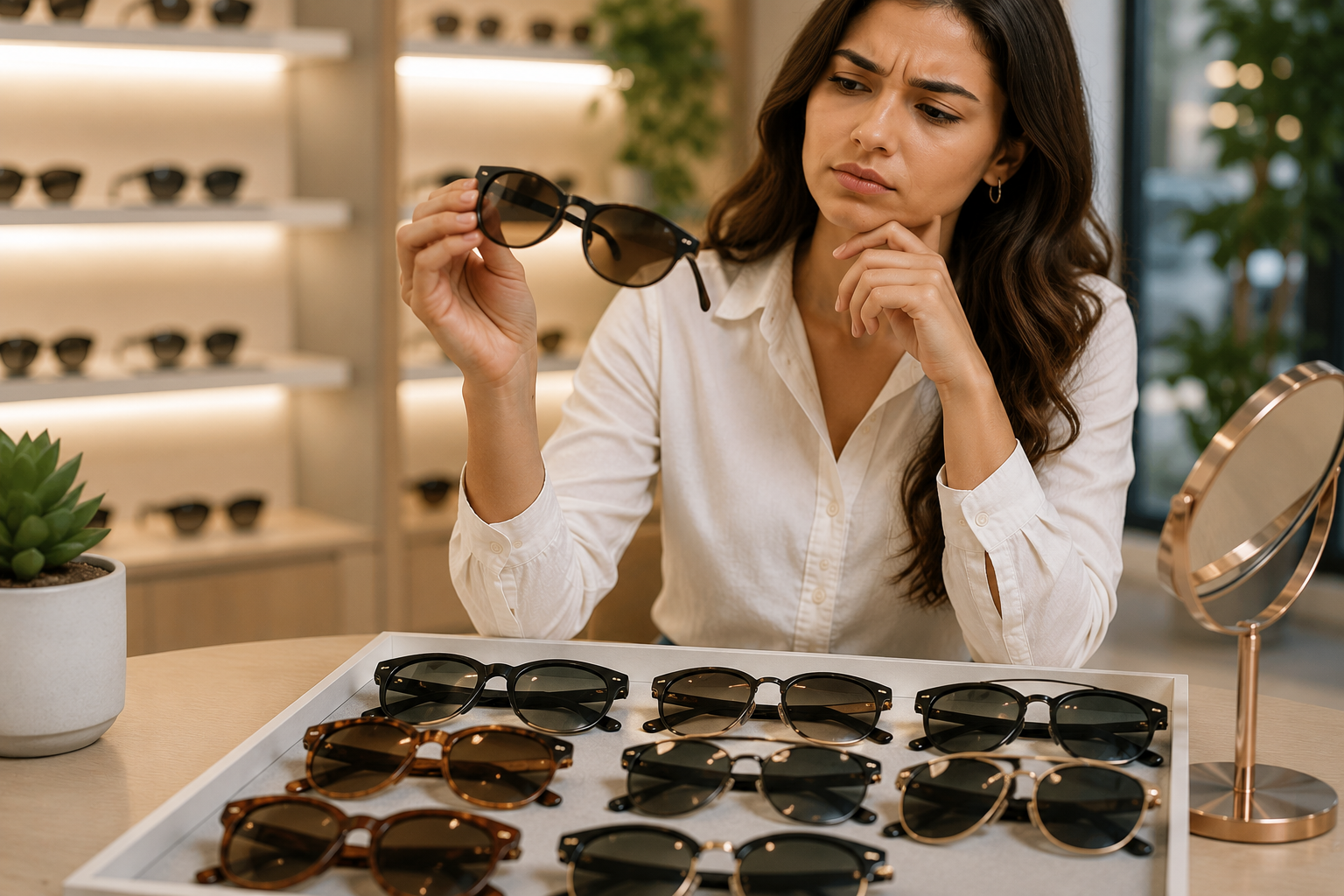
If you can compare frame styles, assess the fit and ask questions about lens protection before buying, it makes choosing sunglasses easier.
Chashmawale is a potential optical retail choice for shoppers searching for the best optician in Bopal. It can be relevant for people looking for an optical shop near Shilaj and South Bopal who want to explore sunglasses and other eyewear options in person.
Things to remember when visiting an optical store:
- Ask if the selected sunglasses provide verified UVA and UVB protection.
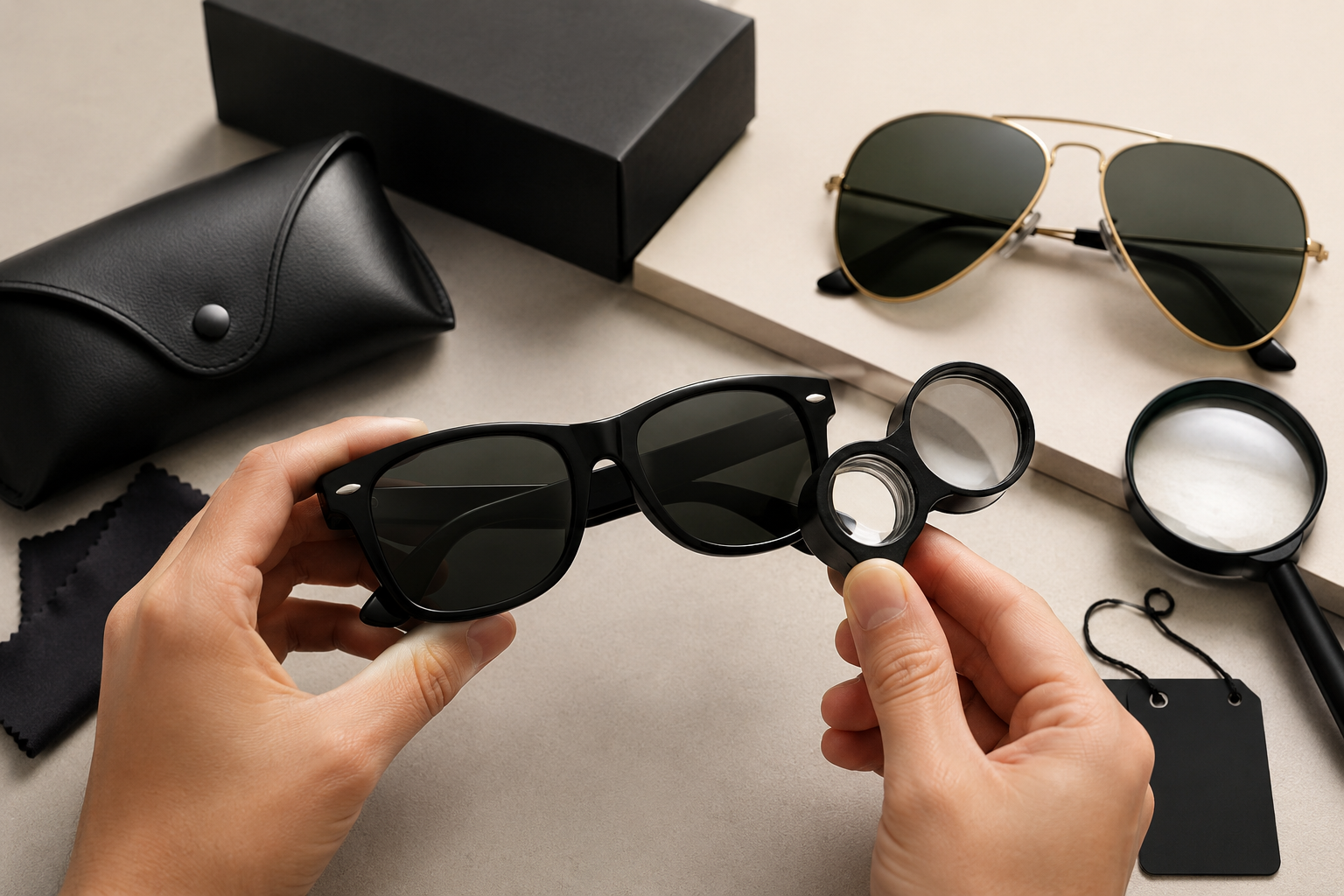
- Check for pressure around the nose and ears and fit the frame.
- What is your intended use? Sports, driving, everyday wear, etc.-Ask about authenticity, after-sales service and lens options.
- If you are looking for prescription sunglasses make sure the prescription and lens are compatible before ordering.
A good optician will talk you through the choices available, taking into consideration your face shape, comfort and budget, rather than brand preference.
Summary Conclusion
The difference between Scott sports sunglasses and regular sunglasses is really a question of your daily routine. Sports sunglasses are practical for active lifestyles, while regular sunglasses are versatile for everyday wear. Both can protect your eyes, when they have the correct UV protection and they fit properly.
Before you buy, compare the features that matter most to you and, if possible, try on the frame and finally choose eyewear suited to your intended use.